
Advancing
Neuropsychiatric Care:
Connecting Brain Injury
Treatment to Better Outcomes
for professionals in behavioral health and psychologists
Presented by Drs. Durga Roy & Matthew Peters
Videos
The following videos are recordings of Dr. Durga Roy and Dr. Matthew Peters’ training series on “Advancing Neuropsychiatric Care: Connecting Brain Injury Treatment to Better Outcomes.”
Session 1
Advancing Neuropsychiatric
Care: Connecting Brain Injury
Treatment to Better Outcomes
(Drs. Durga Roy & Matthew Peters feat. Peggy Reisher, MSW)
Session 2
Pharmacotherapy for Behavioral, Emotional,
and Cognitive Symptoms in Brain Injury
(Drs. Durga Roy & Matthew Peters feat. Peggy Reisher, MSW)
Session 3
Psychotherapeutic Approaches, Pyschosocial Education, and Family Support for Patients with Brain Injury
(Drs. Durga Roy & Matthew Peters feat. Peggy Reisher, MSW)
Session 4
Structuring Environments for Safe Therapeutic Management of Brain Injuries and Seminar Series Recap and Wrap-Up
(Drs. Durga Roy & Matthew Peters feat. Peggy Reisher, MSW)
Description:
Brain injury is a significant yet often overlooked contributor to neuropsychiatric symptoms (NPS), such as depression, anxiety, cognitive decline, and agitation. These symptoms can develop regardless of the injury’s severity and frequently persist over time. This seminar series focuses on the following topics: recognizing behavioral, emotional, and cognitive symptoms in patients with brain injury; prescribing medications for brain injury-related symptoms; providing supportive psychotherapy and cognitive-behavioral therapy; educating and supporting families of patients with brain injury.
Objectives:
Session 1:
- List neuropsychiatric symptoms (NPS) that may follow brain injury.
- Recognize the most common behavioral, emotional, and cognitive symptoms following brain injury.
- Describe the Online Brain Injury Screening and Support System (available for free to Nebraska clinicians).
Date Presented: Thurs., Oct. 9, 2025 11:00am – 1:00pm (Central)
Date Training Expires: Oct. 9, 2027
Session 2:
- Describe the general approach to pharmacotherapy for cognitive and other neuropsychiatric symptoms following brain injury.
- Recognize the most common pharmacologic agents used to manage cognitive and other neuropsychiatric symptoms following brain injury.
- Identify the most common side effects that may occur from pharmacologic agents used to manage cognitive and other neuropsychiatric symptoms following brain injury.
Date Presented: Thurs., Oct. 23, 2025 11:00am – 1:00pm (Central)
Date Training Expires: Oct. 23, 2027
Session 3:
- Recognize the most common psychotherapeutic approaches used in the treatment of brain injury.
- Describe how psychosocial education is used to improve outcomes and patient acceptance following brain injury.
- Identify approaches to support families of those with brain injury.
Date Presented: Thurs., Nov. 6, 2025 11:00am – 1:00pm (Central)
Date Training Expires: Nov. 6, 2027
Session 4:
- List well-established approaches to create a safe and therapeutic environment for those with brain injuries, both clinically and at home.
- Identify three elements of each session that will be used to change clinical practice.
- Recognize three challenges encountered in the care of patients with brain injury.
Date Presented: Thurs., Dec. 4, 2025 11:00am – 1:00pm (Central)
Date Training Expires: Dec. 4, 2027
Supporting Material

Presenter Slides - SESSION 1
Advancing Neuropsychiatric Care:
Connecting Brain Injury Treatment to
Better Outcomes
Presenter Slides - SESSION 2
Pharmacotherapy for Behavioral,
Emotional, and Cognitive Symptoms
in Brain Injury
Presenter Slides - SESSION 3
Psychotherapeutic Approaches,
Psychosocial Education, and Family
Support for Patients with Brain Injury
Presenter Slides - SESSION 4
Structuring Environments for Safe,
Therapeutic Management of Brain Injuries
and Seminar Series Recap and Wrap-up
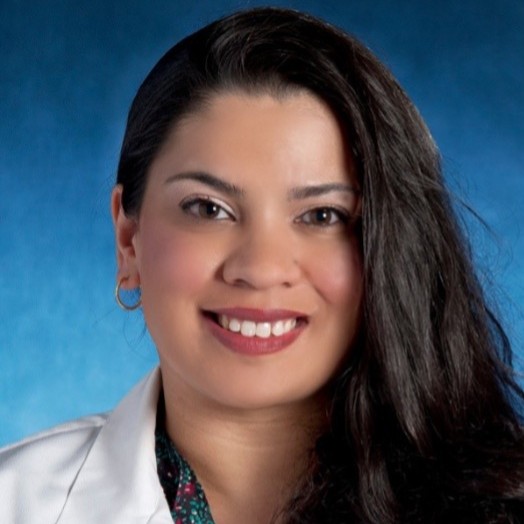
Dr. Durga Roy
MD
Dr. Roy is an Associate Professor of Psychiatry and Behavioral Sciences at Johns Hopkins University School of Medicine. She is the Medical Director of the Johns Hopkins Neuropsychiatry and Brain Injury Clinic and Head Injury Outpatient Psychiatric Day Program. She is board-certified in general adult psychiatry, consultation-liaison psychiatry, and behavioral neurology/neuropsychiatry. She has authored numerous peer-reviewed publications focused on neuropsychiatric outcomes after traumatic brain injury and is recognized as a national expert in the field. Her area of research interest focuses on neurobiology and study of prognostic markers of depression after traumatic brain injury.
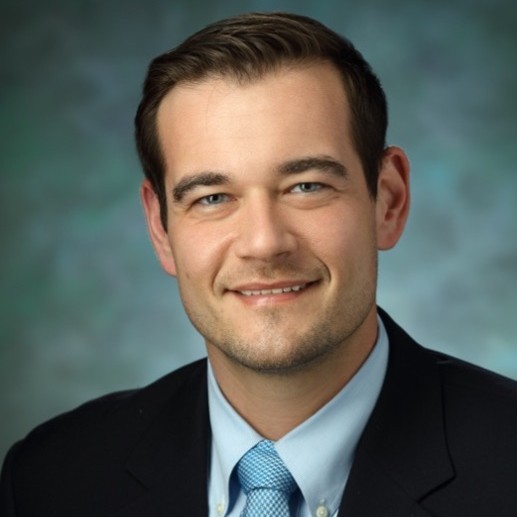
Dr. Matthew Peters
MD
Dr. Peters is an Associate Professor at Johns Hopkins University School of Medicine. An active clinician, teacher, and researcher, Dr. Peters sees patients with acquired brain injury and neurodegenerative conditions. He has been internationally recognized for his research work with research funding from the National Institutes of Health, Department of Defense, and National Alzheimer’s Coordinating Center. His research focuses on cognitive and other neuropsychiatric symptoms following traumatic brain injury with a focus on biomarkers and older adults.


These trainings were funded in whole or in part by funds from the SAMHSA Community Mental Health Block Grant, SAMHSA Substance Abuse Prevention and Treatment Block Grant and state funds sub-granted from the Nebraska Department of Health and Services, Division of Behavioral Health.